Salon skincare manufacturers matter because professional products must remain consistent through repeated salon use, commercial scale-up, transport, storage, and retail sale. ISO 22716:2007 covers cosmetic production, control, storage, and shipment, while the U.S. Modernization of Cosmetics Regulation Act of 2022 added facility registration, product listing, safety-substantiation records, and adverse-event duties. FDA data showed 16,398 active cosmetic facilities and 1,298,361 active product listings as of June 30, 2026. A manufacturer therefore contributes formulation work, microbiological control, batch records, filling accuracy, packaging compatibility, scale-up, and regulatory documentation. For professional beauty brands, manufacturing quality affects the product long before a salon opens the bottle.
A salon formula has to work under more demanding use conditions than many products used once or twice a day at home. An esthetician may open the same cleanser, serum, massage cream, or mask dozens of times during a working week, so dispensing, viscosity, contamination control, and texture consistency become practical manufacturing requirements rather than minor preferences.
That repeated use starts with formulation design. A manufacturer has to balance water, oils, emulsifiers, humectants, rheology modifiers, preservatives, fragrance, botanical materials, and active ingredients while keeping pH and viscosity inside an agreed specification. ISO 11930:2019 provides a reference method for evaluating antimicrobial protection in cosmetic products that are not considered microbiologically low risk.
A serum containing niacinamide, peptides, hyaluronic acid, and plant extracts cannot be assessed only by reading its ingredient list. Changes in pH can affect ingredient stability, salts can alter gel viscosity, natural extracts may change color between raw-material lots, and high concentrations of some materials can make a formula sticky, cloudy, or difficult to preserve.
A commercially useful formula has to survive manufacturing, filling, storage, shipping, repeated opening, and normal professional use while staying within its physical and microbiological specifications.
That is also why laboratory samples cannot simply be multiplied into production batches. A 1 kg development sample and a 500 kg batch experience different mixing geometry, shear, heating time, cooling rate, aeration, and ingredient-distribution conditions. The formula may remain chemically identical on paper while the finished viscosity or emulsion structure changes after scale-up.
Manufacturers reduce that variation by defining a repeatable process: ingredient addition order, mixing speed, temperature range, homogenization time, cooling point, pH adjustment stage, and bulk-release checks. ISO 22716 was first published in 2007 and was reviewed and confirmed again in 2022, covering manufacturing practices from production through storage and shipment.
For a professional brand, batch records also make complaints easier to investigate. If 24 bottles from one production lot show pump problems while the previous 8,000 units do not, production records can separate a packaging-lot issue from a formula-viscosity issue. Without lot traceability, the brand has much less information for finding the source.
| Manufacturing area | What should be controlled | Why salons notice it |
|---|---|---|
| Formula | pH, viscosity, odor, appearance | Changes affect spreading, layering, massage time, and finish |
| Bulk production | temperature, mixing, homogenization | Process changes can alter texture or emulsion stability |
| Filling | fill weight, pump fit, sealing | Underfilling and leakage become visible immediately |
| Microbiology | raw materials, water system, finished bulk | Multi-use professional packs receive repeated handling |
| Packaging | compatibility, dispensing, transport | A good formula still fails if the package leaks or blocks |
Packaging therefore needs to be selected while the formula is being developed, not after bulk manufacturing has finished. A low-viscosity serum may work in a dropper or pump, while a dense massage cream may need a wide-neck jar or pump designed for higher viscosity. A packaging change can also expose a formula to different levels of air, light, or repeated finger contact.
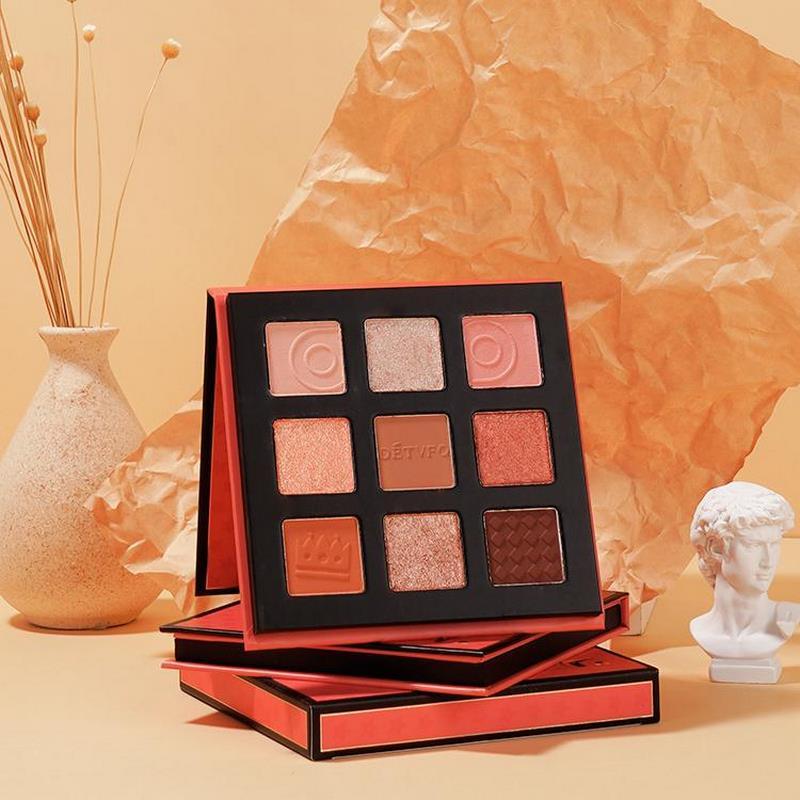
Compatibility becomes more important when a professional brand extends into adjacent categories. A manufacturer producing skincare and private label foundation may need different filling equipment, pigment-dispersion methods, cleaning procedures, and packaging specifications because a pigmented emulsion behaves differently from a clear facial serum.
Product development also has a regulatory side. Regulation (EC) No 1223/2009 requires cosmetic manufacturing placed on the EU market to follow good manufacturing practice, and the responsible person must arrange a cosmetic product safety assessment before sale. The Product Information File must then be kept for 10 years after the last batch is placed on the market.
A manufacturer cannot replace the legal responsibilities of the brand or EU responsible person, but it can supply much of the technical information needed for the file: manufacturing method, INCI information, raw-material documents, specifications, certificates of analysis, batch data, stability information, and supporting test reports.
The U.S. now requires more structured cosmetic records as well. MoCRA, enacted in 2022, requires covered manufacturing or processing facilities to register with FDA and renew registration every two years; responsible persons must list marketed cosmetic products and update product listings annually. Serious adverse events also have reporting requirements.
As of June 30, 2026, FDA reported 1,298,361 active cosmetic product listings submitted under the system, compared with 16,398 active registered facilities. That difference shows why brands should not treat a finished SKU as a simple packaging project; each product needs controlled formulation information, identification, documentation, and manufacturing records.
Microbiological control deserves particular attention in salon products containing water. The preservative system has to work with the final pH, packaging, ingredient mixture, and intended use rather than being selected only from a supplier's recommended dosage range. ISO 11930:2019 specifically addresses interpretation of preservation-efficacy testing and microbiological protection.
A manufacturer should also separate raw-material acceptance from finished-product release. Raw-material specifications can include identity, appearance, odor, assay where relevant, microbiological limits, and supplier documentation; finished-product release may add pH, viscosity, fill weight, package inspection, and microbiological testing.
That control is closely related to purchasing. Two materials sold under the same INCI name can differ in active content, carrier, particle size, solvent system, odor, or color. A brand that changes suppliers only to reduce cost may therefore receive a formula that looks or feels different unless the manufacturer evaluates the replacement before production.
Cost should be assessed at the finished-product level rather than only by bulk price. Consider a 10,000-unit serum order: saving $0.12 on packaging cuts the invoice by $1,200, but a 3% leakage rate would affect 300 units before accounting for replacements, freight, customer service, or damaged cartons.
MOQ structure matters for the same reason. A factory may be able to fill 1,000 units, while a custom pump supplier requires 10,000 pieces and a decorated bottle supplier requires 5,000 pieces. The brand can end up holding packaging for several future batches even when the cosmetic production MOQ looks low.
For smaller brands, stock formulas can reduce the amount of development work before launch. Custom development offers more control over texture, fragrance, actives, packaging, and professional protocol, but it normally adds sample rounds, compatibility work, documentation, and sourcing steps. The choice should match forecast volume and the level of product difference the brand actually needs.
Professional treatment design adds another layer. A cleanser that rinses in 30 seconds, a massage product designed for 10 minutes of working time, and a finishing cream used after a mask require different sensory and rheological properties even when all three products target dry skin.
The manufacturer therefore needs to understand how products are used in sequence. If a serum leaves a heavy polymer film, the following massage cream may pill; if a mask leaves substantial residue, the finishing product may spread unevenly. Individual formulas can pass their own checks while performing poorly as a treatment set.
A useful development review can include:
-
one formula specification covering appearance, odor, pH, and viscosity;
-
one approved packaging specification covering bottle, closure, pump, label, and carton;
-
at least 3 representative production batches when the brand needs additional evidence of process consistency;
-
retained samples linked to lot numbers;
-
agreed acceptance limits before commercial filling;
-
written procedures for out-of-specification material and customer complaints.
Testing plans should match product type rather than follow one fixed checklist. Water-based formulas may require greater attention to preservation and microbial quality, while oils need stronger oxidation control and pigmented products require dispersion and shade consistency checks. ISO 11930 was published in its second edition in 2019, and an updated third edition was under committee development in 2026.
Manufacturing capacity should also be reviewed before sales volume grows. A supplier may handle a 2,000-unit launch easily but struggle when a salon group needs 20,000 units across five SKUs within the same replenishment window. Brands should ask about vessel sizes, filling lines, normal lead times, packaging storage, raw-material purchasing, and production scheduling.
The same review should include change control. If a preservative, emulsifier, botanical extract, pump, bottle resin, or label material changes in 2027, the brand should know who approves the change, whether new compatibility work is required, and how revised documentation is recorded. Uncontrolled substitutions are difficult to manage once thousands of units are already in distribution.
Supplier evaluation is more useful when questions are specific: Who releases finished batches? Which test results appear on the certificate of analysis? How are deviations documented? How long are retained samples stored? Can the manufacturer trace a finished bottle back to bulk batch and packaging lot? Can it support EU documentation under Regulation 1223/2009 and U.S. records required after MoCRA 2022?
A professional beauty brand can then compare manufacturers on measurable information: development capability, batch controls, microbiological procedures, packaging knowledge, production scale, documentation, traceability, MOQ, lead time, and response to nonconforming batches. The strongest manufacturing relationship is the one that keeps the same product specification practical from the first pilot batch through repeated commercial production.